In February the Catalyst program featured the work of the Acoustic Ecology Lab PBS Catalyst TV program
You can find some more information here on Sustainability News



In February the Catalyst program featured the work of the Acoustic Ecology Lab PBS Catalyst TV program
You can find some more information here on Sustainability News
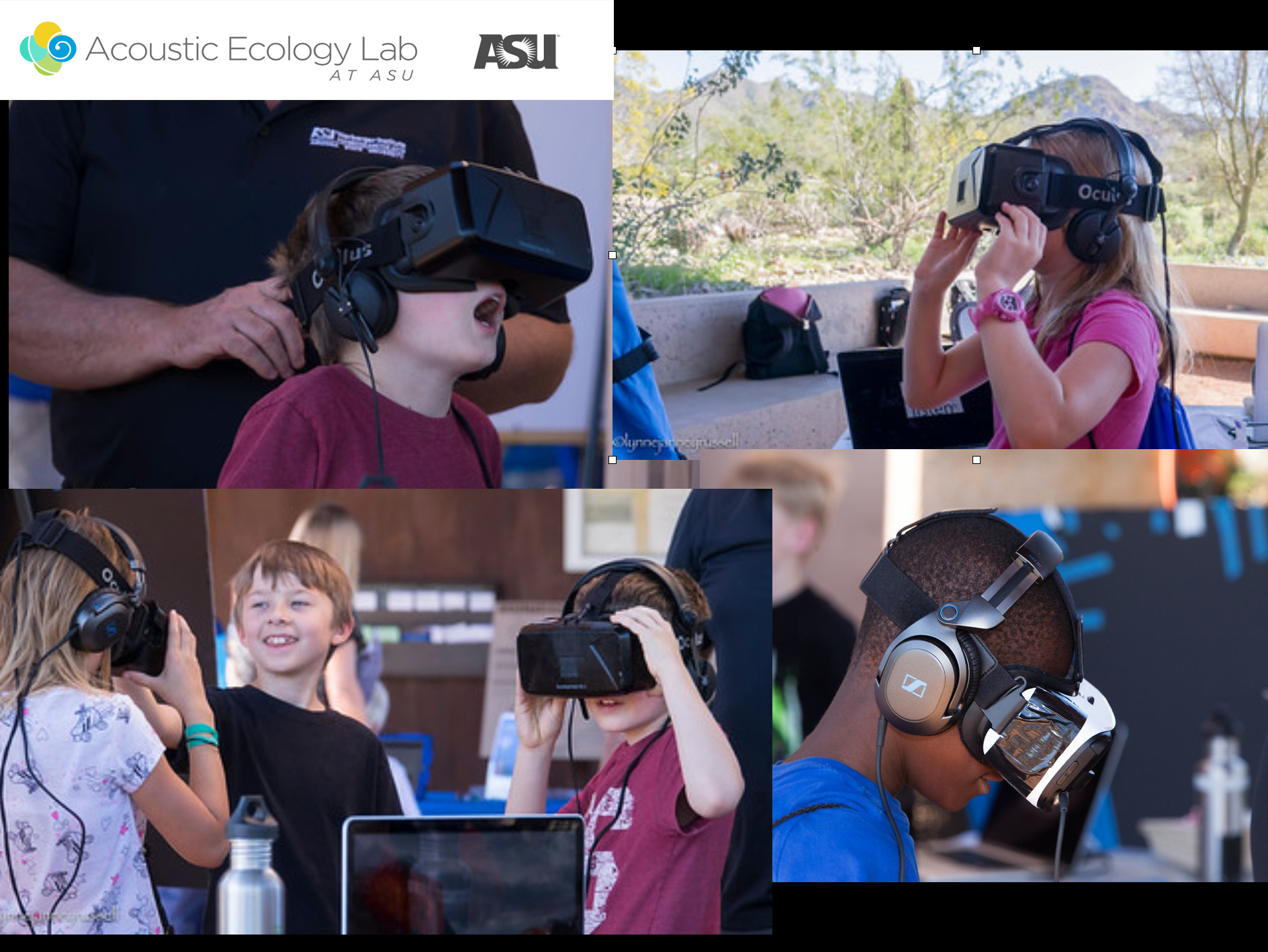
Hearing loss in adults and children is a widespread and growing problem around the world and has a negative impact on communication abilities and emotional and psychological health. Blending medical research, artistic practices, sound studies and technological innovation, ASU’s Acoustic Ecology Lab in collaboration with faculty and students from Speech and Hearing Science at ASU’s College of Health Solutions are developing new practices and tools for hearing loss awareness, prevention and rehabilitation to share with both local and global communities.
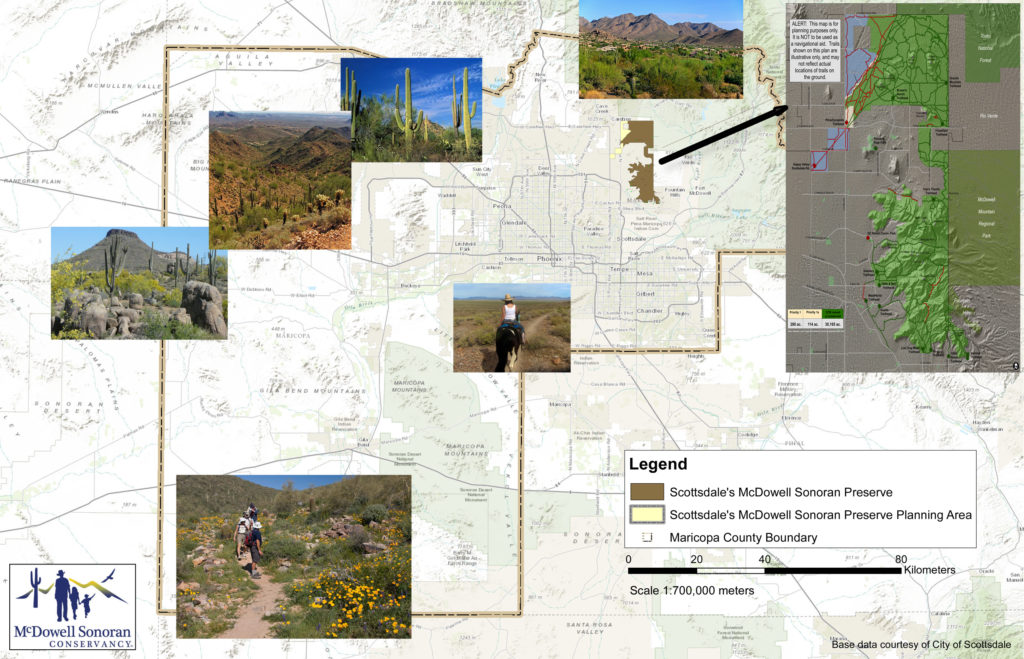
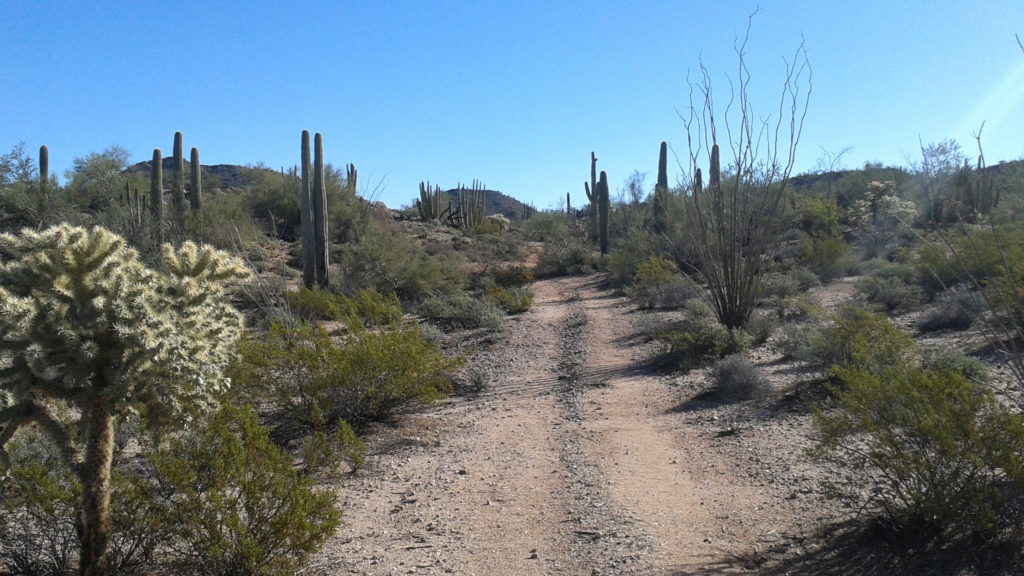
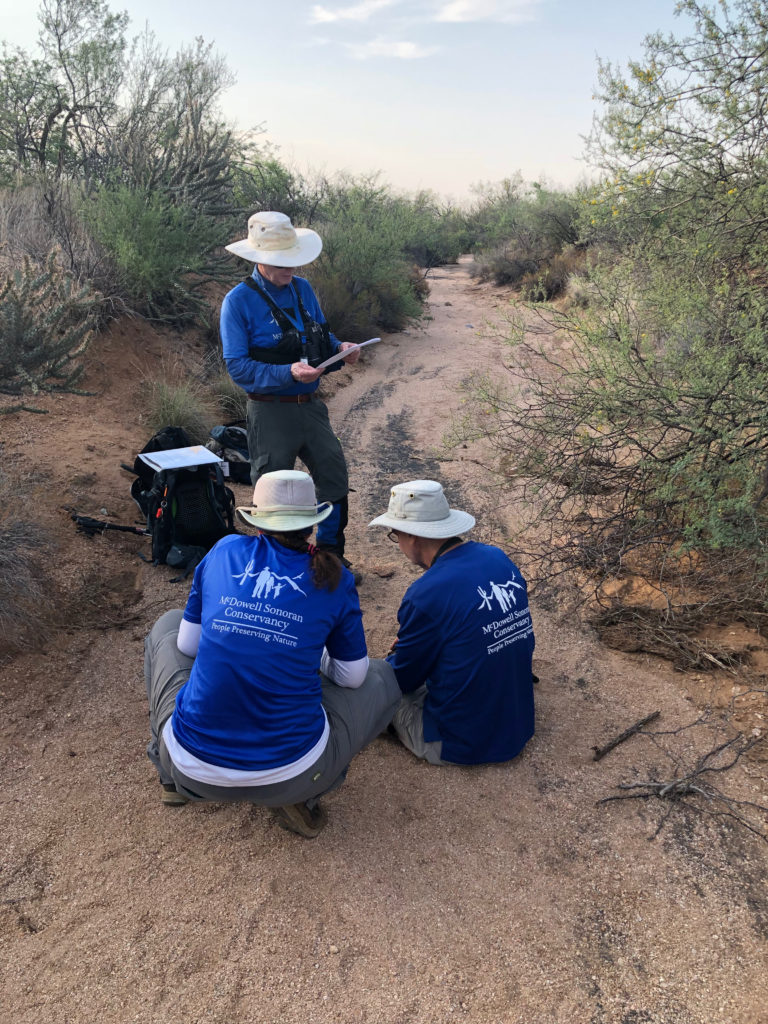
For the last 2 years we have been conducting auditory monitoring in the McDowell Sonoran Preserve in partnership with the McDowell Sonoran Conservancy and the Phoenix Zoo – examining the psychoacoustic impact of traffic passing on the road that bisects the preserve and also counting and analyzing sound from aircraft overhead.
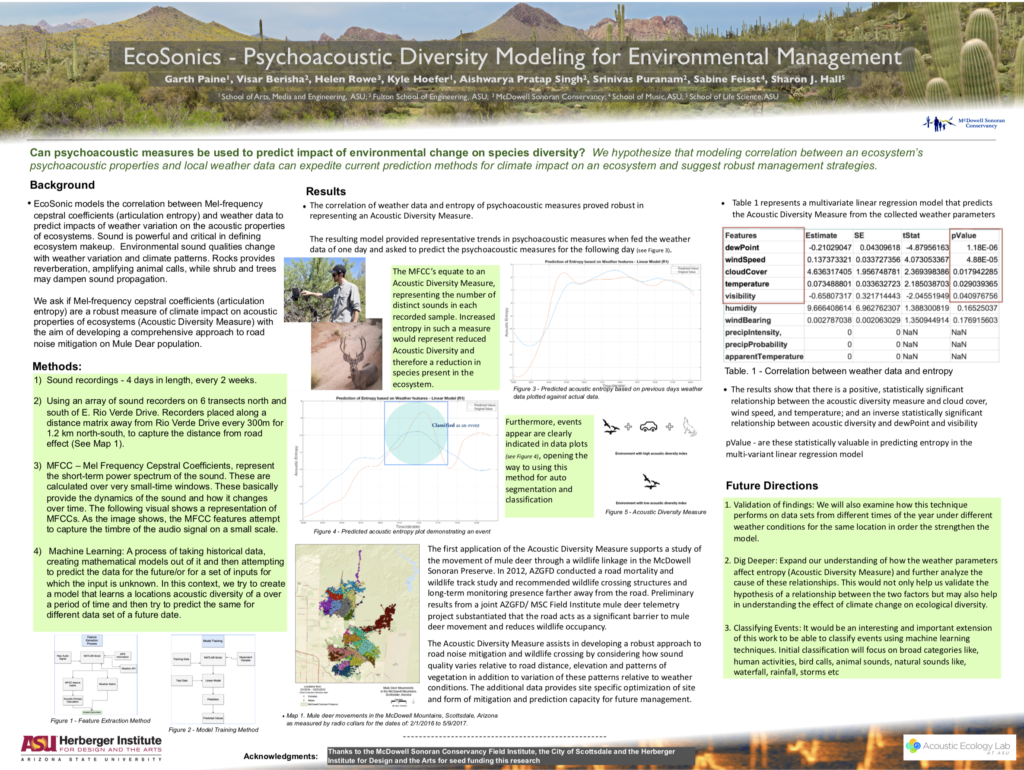
We have also been modeling how sound changes with weather variables and modeling how this might help us measure and predict climate impact (see the Ecosonics project and poster) – we have much more to do in terms of developing a realtime map of how the psychoacoustic parameters dynamically vary across the preserve, but the initial data is very exciting.
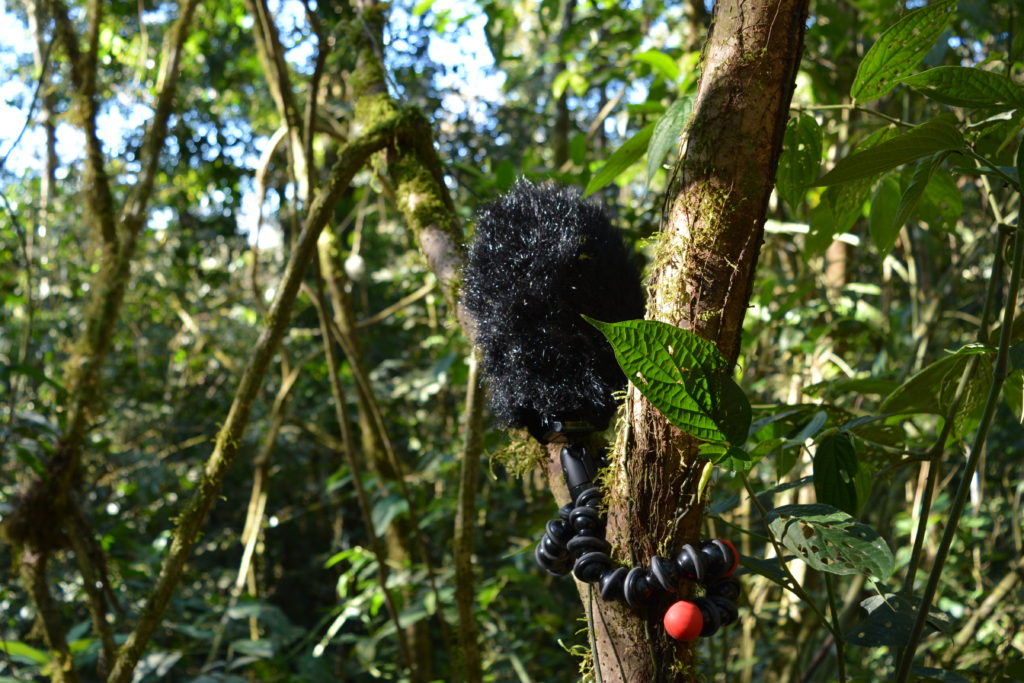
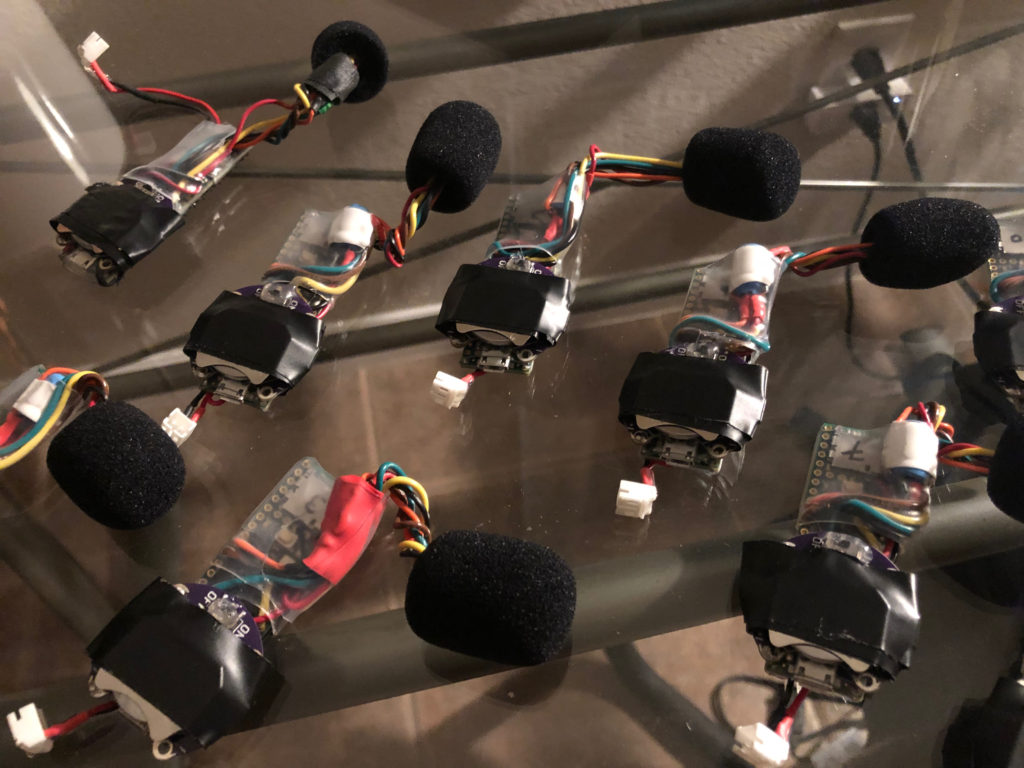
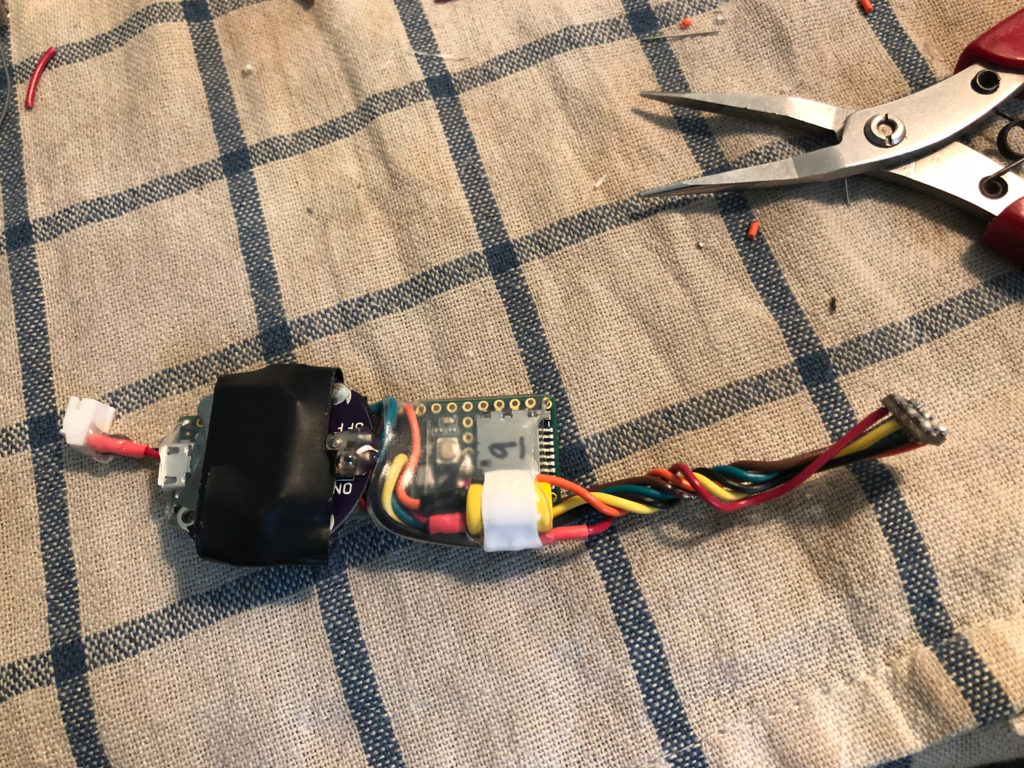
In order to undertake this work (we now have 2 years of recordings from 14 recorders) we built 20 small sound recorders which can be deployed for long periods and take very large SD cards. Here is a link to the GitHub project detailing that recorder with uses a MEMS mic and a Teensy. The design and build instructions are available on GitHub
—
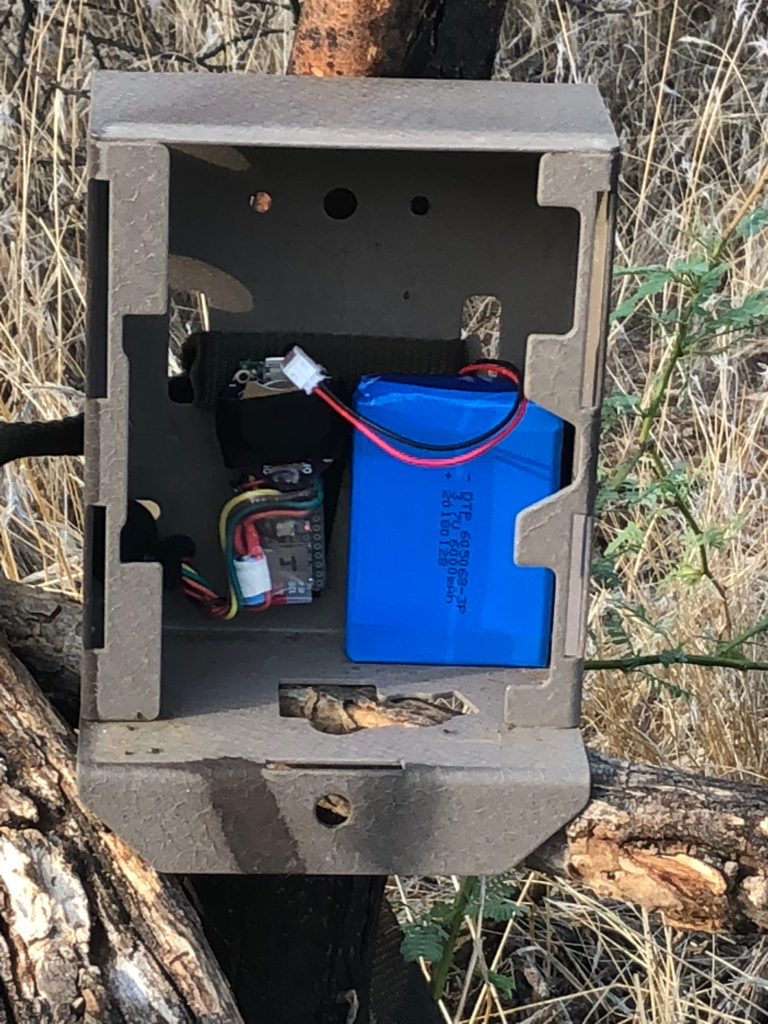
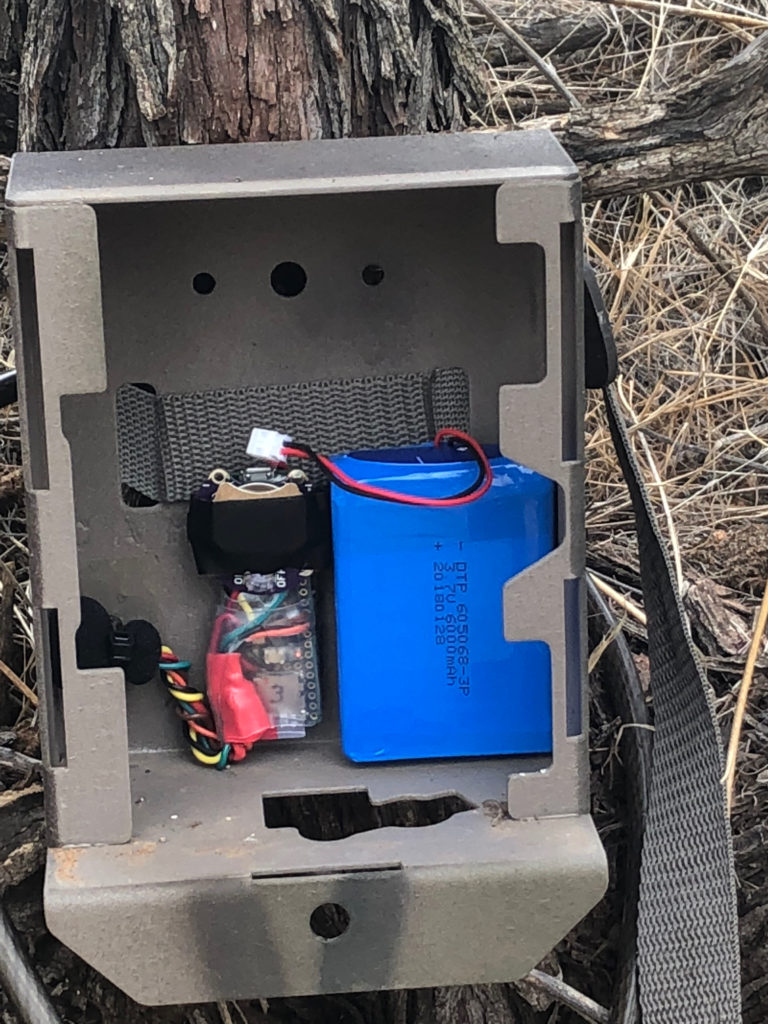
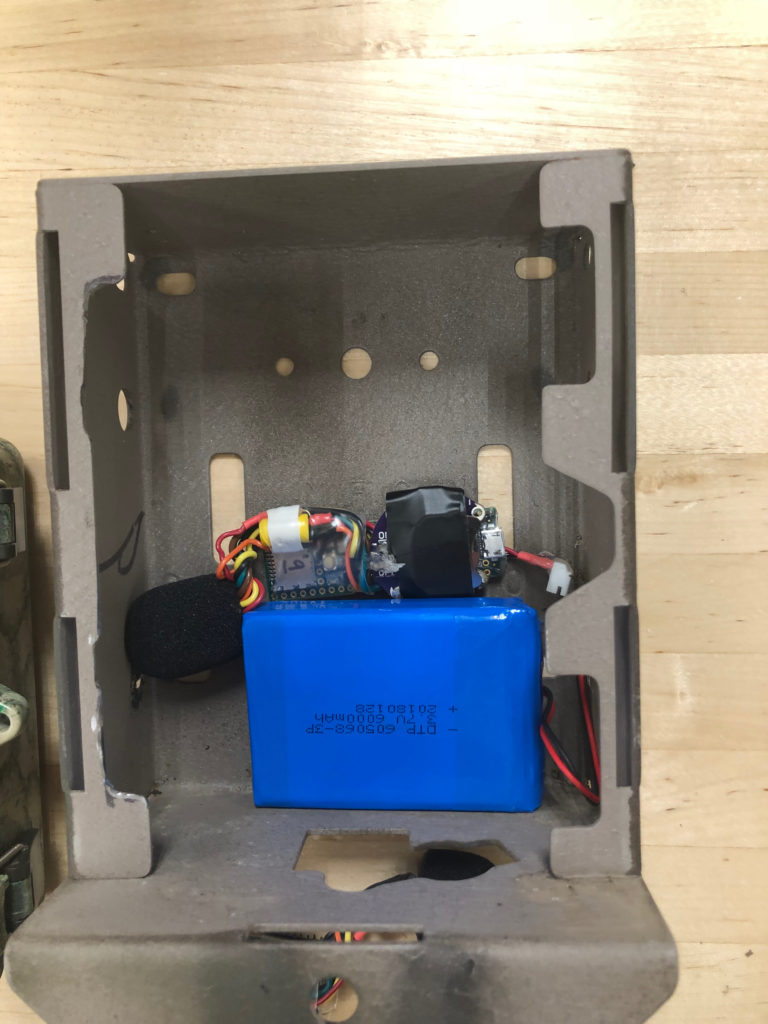
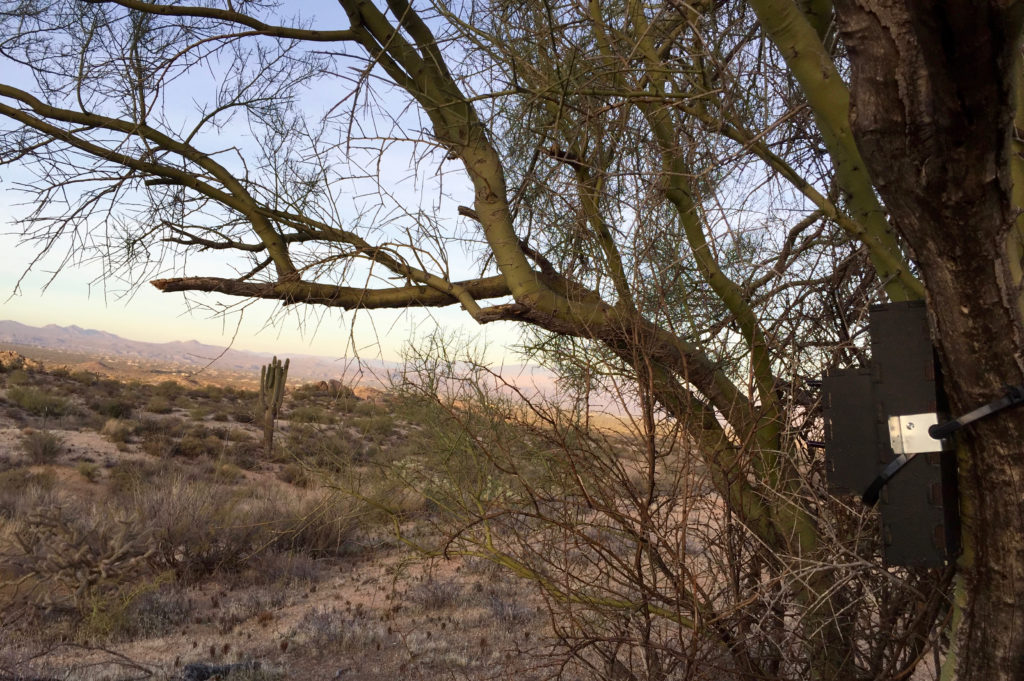
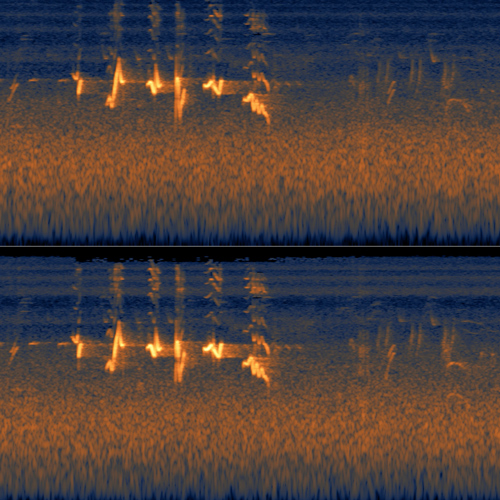
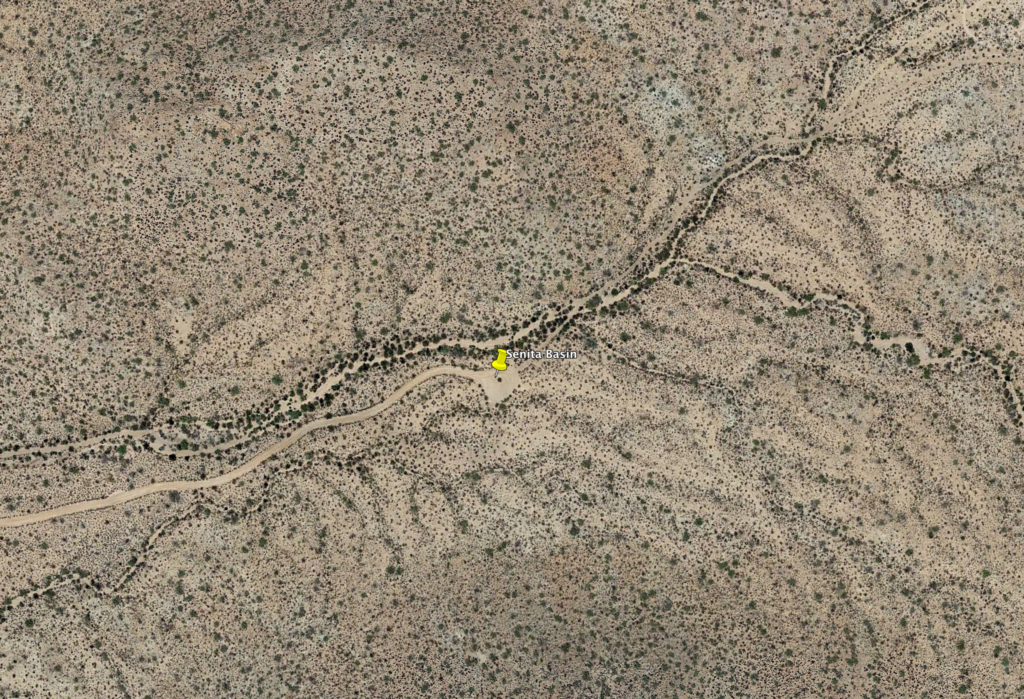
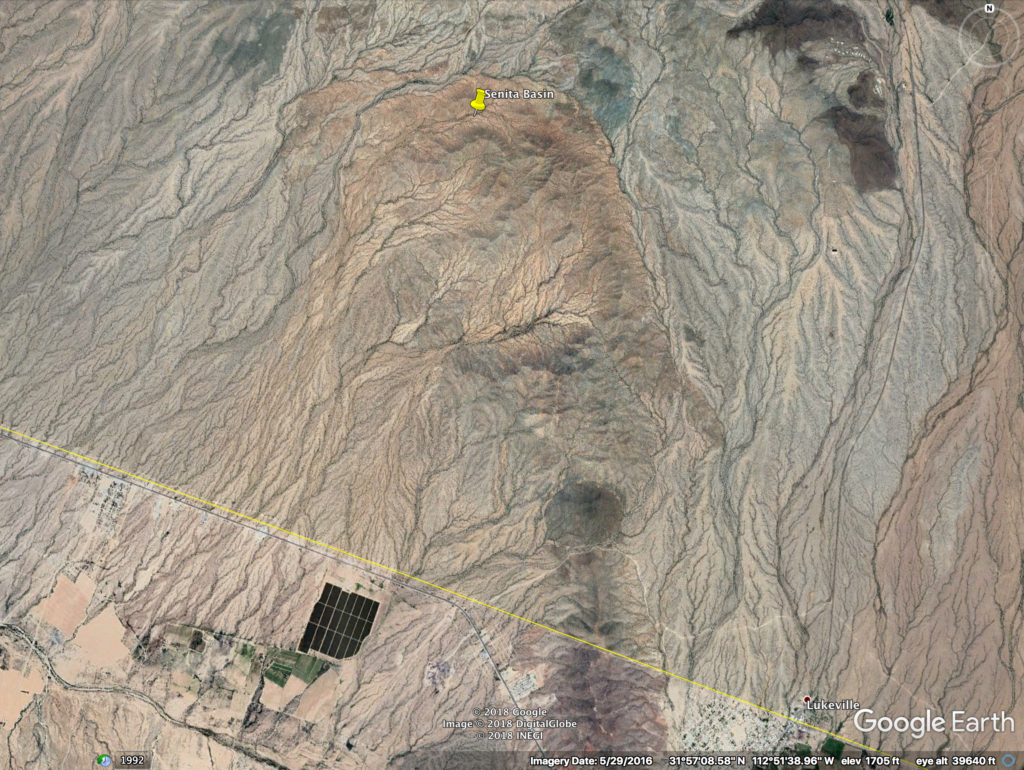
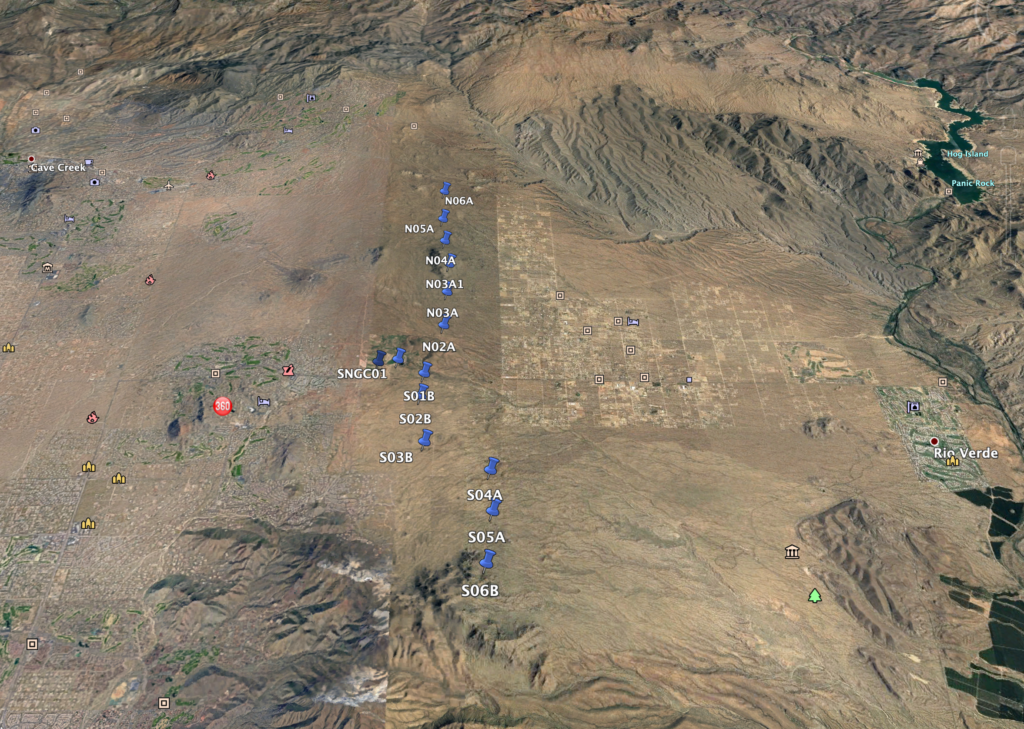
We also 3D printed small cases so we could weather protect the recorders and place them inside a strong metal case associated with a camera trap at the same location. The 14 recorders are placed at 1 mile intervals, 7 miles either side of the road, so we can track changes in the environment across the 14 mile transect.
For more information on the EcoSonics project see Dr. Paine’s article in the Conversation, titled Acoustic Ecology 2.0
 Psychoacoustics has played an important role in automobile design for at least a decade now and this work takes it to another level – just think about those 16+ loudspeakers in your car, they are doing noise cancelling and sound sculpting to present you with an automobile sound that is largely artificial – so now you could dial in your own —
more information here in the B&K Waves Journal
Psychoacoustics has played an important role in automobile design for at least a decade now and this work takes it to another level – just think about those 16+ loudspeakers in your car, they are doing noise cancelling and sound sculpting to present you with an automobile sound that is largely artificial – so now you could dial in your own —
more information here in the B&K Waves Journal 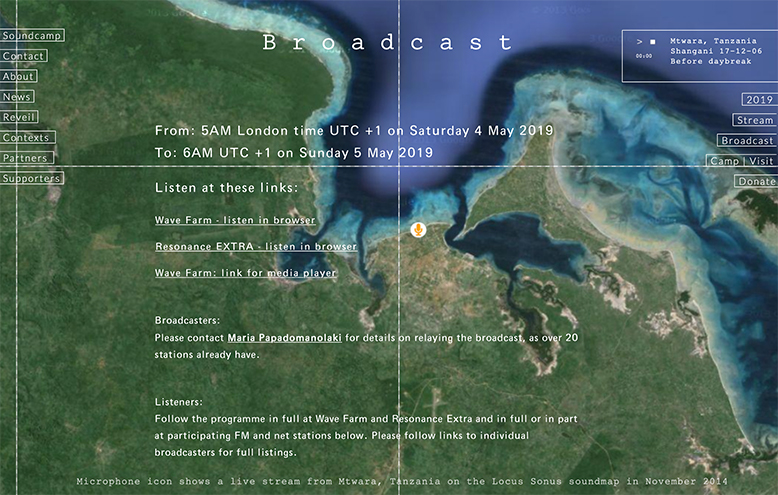
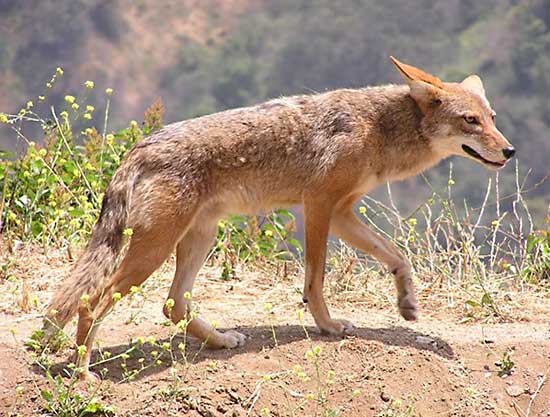


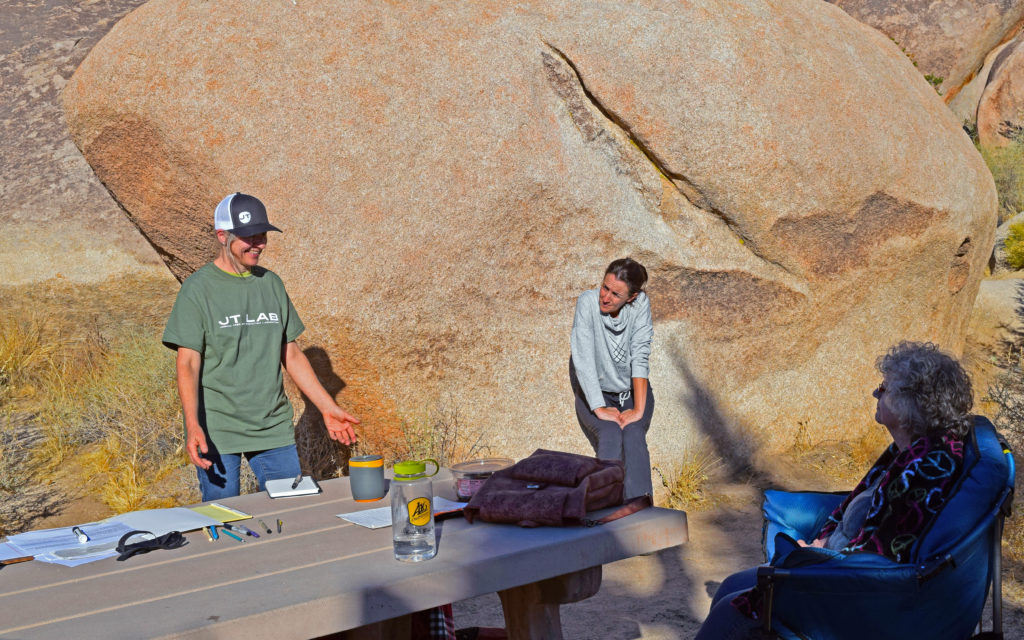
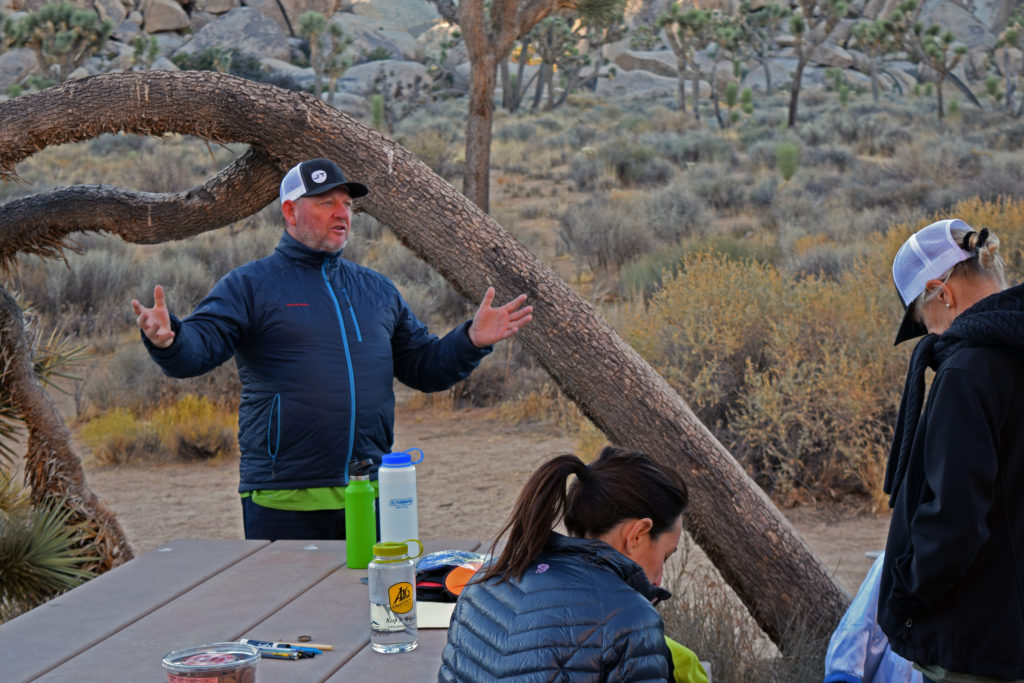
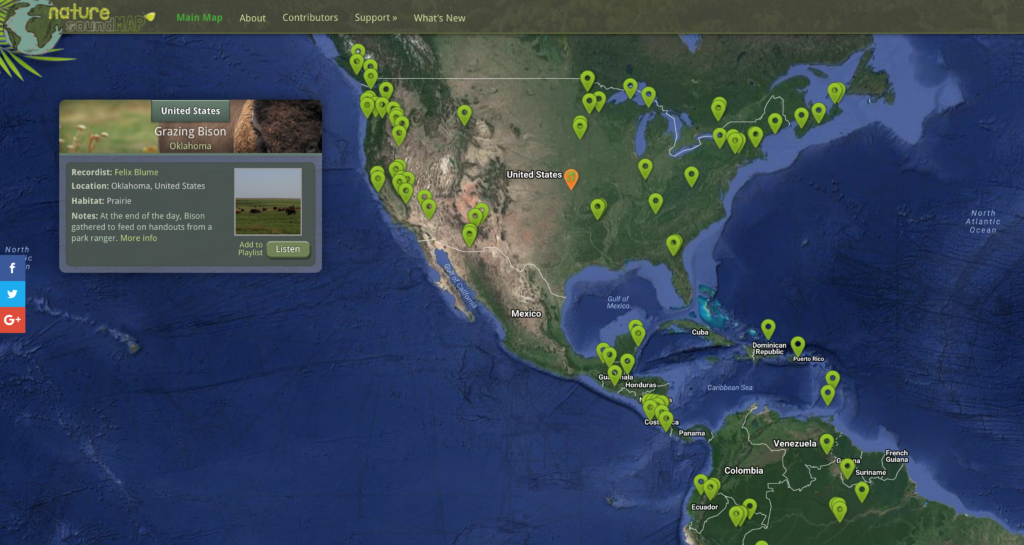
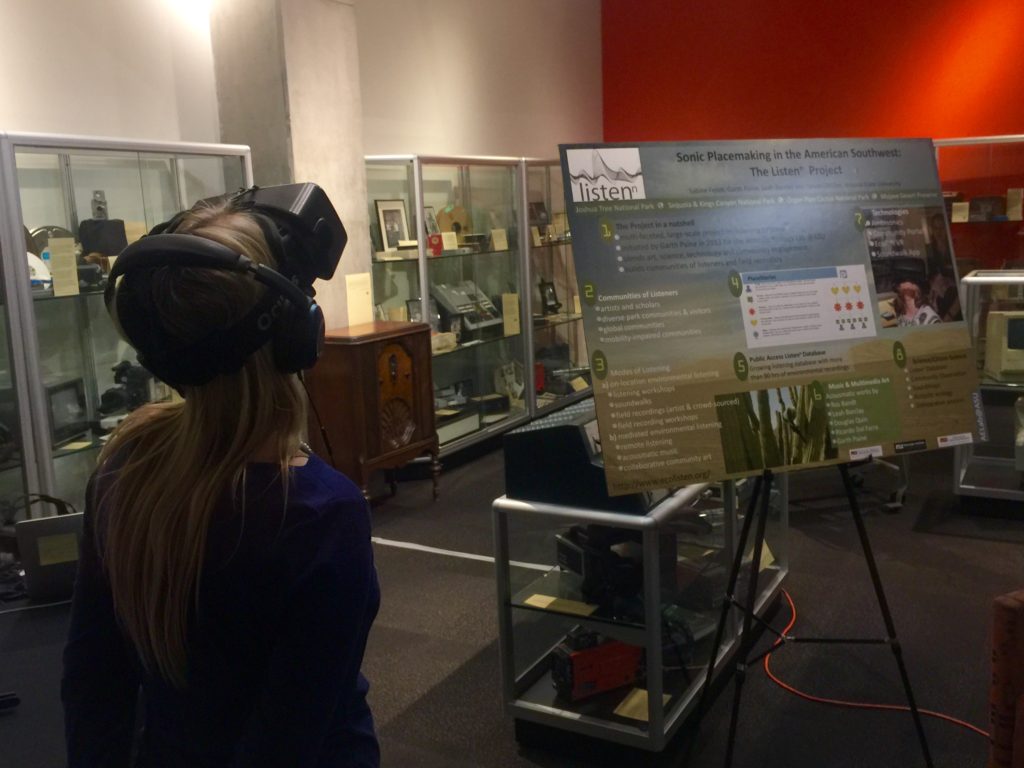
Garth Paine on Listening from ASU Now on Vimeo. Listen to the sounds of the SW USA on our Listen database http://www.ecolisten.org/sonic_events.php – gathered by ASU faculty and citizen scientists in National Parks across the SW USA, the recordings help document the transformation of the environment over time due to climate change and other environmental impacts.

Sabine Feisst recently presented a paper on Arizona-based sound artist Glenn Weyant’s SonicAnta Project at the Sound + Environment 2017 Conference at the University of Hull in the U.K. https://soundenvironment.net/ .
The conference created a forum for artists and scientists to examine the ways in which sound can advance our knowledge about the environment. Feisst discussed Weyant’s activist creative placemaking endeavors along the U.S.-Mexico border where he turns fences into sonic bridges. Hear him talk about his work on the US/Mexico boarder on NPR
Watch Glenn Weyant talk about his work on the boarder here
Great to meet Keynote Chris Watson at the conference too.
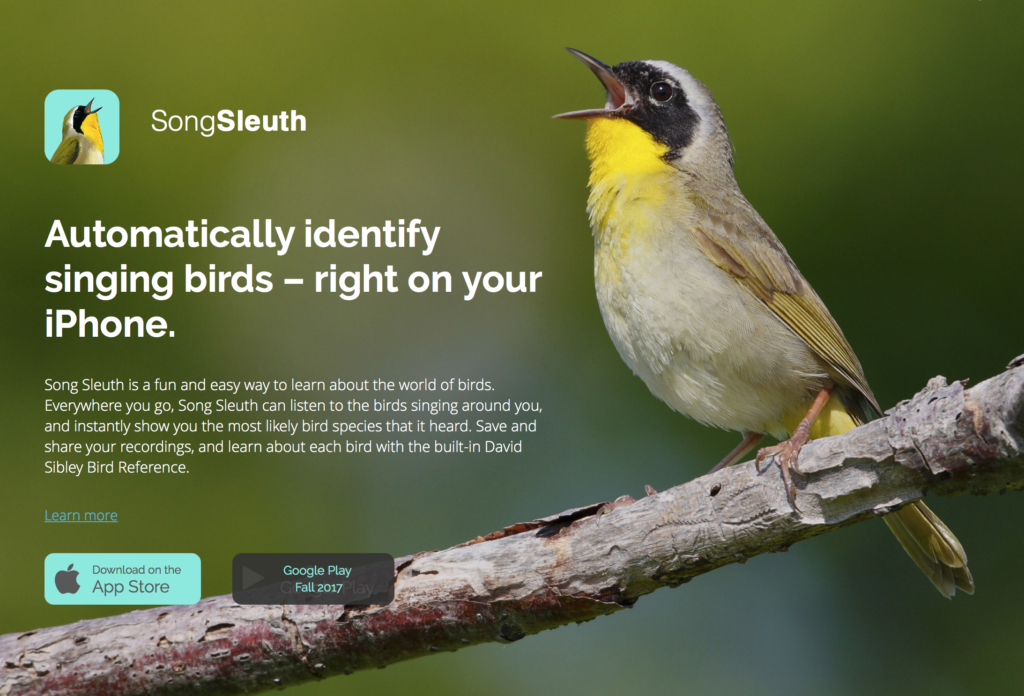
ASU’s Acoustic Ecology Lab will participate in this year’s International Dawn Chorus Day events by contributing live streaming of birdsongs from Tempe to the “Reveil” broadcast on the Sonus Locus network. In the course of 24 hours Reveil gradually moves west from microphone to microphone set up in places around the whole world to continuously feature birds singing at dawn. Go to the Locus Sonus Soundmap and tune in to the morning sounds of places near and far: http://locusonus.org/soundmap/051/.
Dawn Chorus Day is an event initiated by the Urban Wildlife Trust in Birmingham, England in 1984 and held annually on the first Sunday in May to encourage listening to bird song.