Passenger Pigeon
The American Bird Conservancy warns that “Hundreds of bird species are on track toward extinction. If these species blink out, we’ll have just one species to blame: ours.” Climate change, habitat loss, overfishing, collisions, and invasive species are among the reasons for the dwindling of almost a hundred bird species in the Americas. What will this mean for our sonic environments?
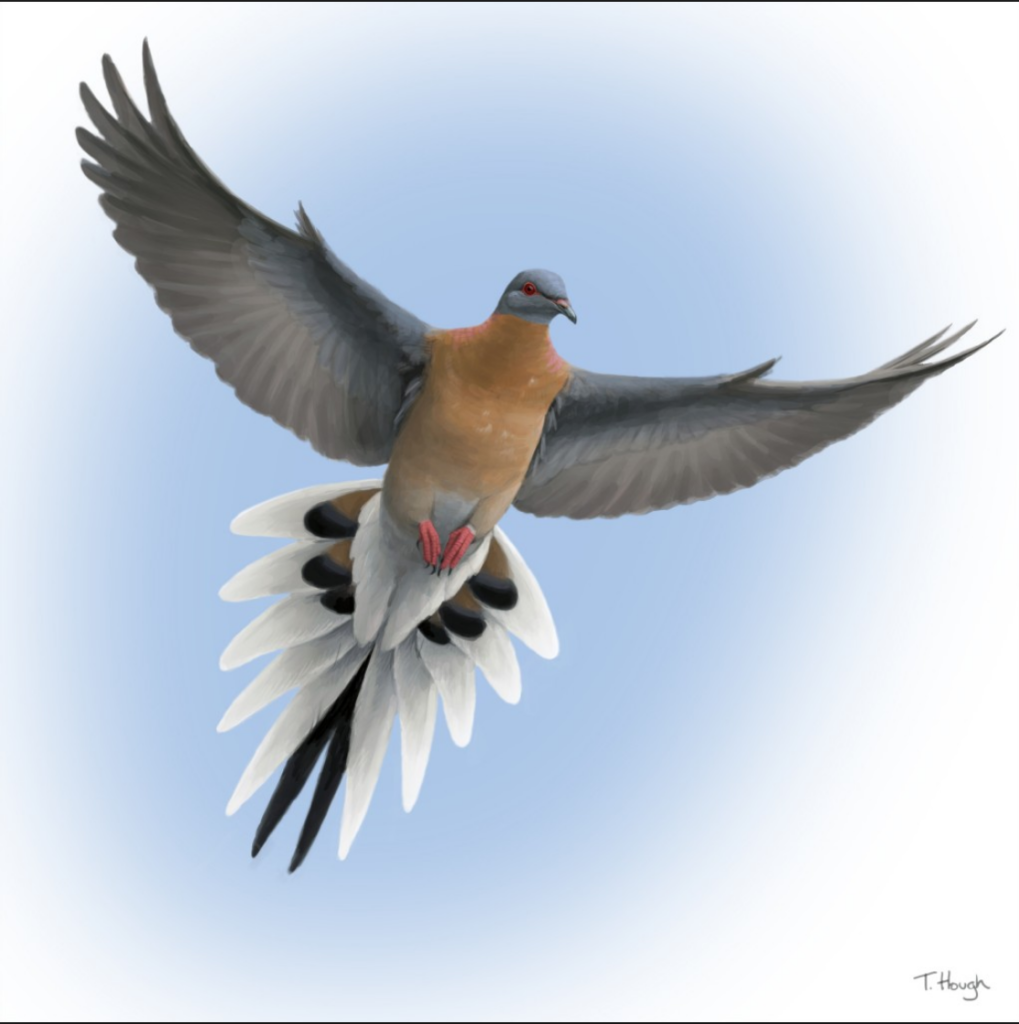
The extinction of North America’s incredibly abundant passenger pigeon in 1914 was a sonic sea-change. Simon Potagon, a member of the Potawatomi tribe and well-known writer in the 19thcentury, remembered the mesmerizing and awe-inspiring sounds of the me-me-og – the wild passenger pigeon (Ectopistes migratorius). To Potagon, the spring flocks of hundreds of thousands of travelling pigeons sounded as if “an army of horses laden with sleigh bells was advancing through the forests towards me” and like “distant thunder” getting “nearer and nearer.” He found the sound of such large flocks to be as stirring as that of the “grandest waterfall in America,” when “these birds drop from their course like meteors from heaven.” He enjoyed the sounds of their gurgles, their flapping wings and their feasting on nuts and seeds in the forest.
Wisconsin’s newspaper Commonwealthreported in 1871 that hunters dropped their guns when confronted by the avian wall of sound: “Imagine a thousand threshing machines running under full headway, accompanied by as many steamboats groaning off steam, with an equal quota of R.R. trains passing through covered bridges – imagine these massed into a single flock, and you possibly have a faint conception of the terrific roar.” Passenger Pigeon
When the settlers discovered that this bird was easily obtainable and delicious protein it only took about fifty years for the passenger pigeon to go extinct. Martha, the last member of a the species that once made up a quarter of North America’s bird population, died in the Cincinnati Zoo on 1 September 1914 Martha died in Cincinnati Zoo (for more information see the Smithsonian Magazine
No field recordings or transcriptions of the pigeons’ calls are extant. Bohemian-born American composer Anthony Philip Heinrich (1781–1861) who witnessed large passenger pigeon flocks when he settled in America dedicated a symphonic work to this bird: The Columbiad or Migration of American Wild Passenger Pigeons(1858). Listen to a live performance of the work by the University of Wisconsin Symphony Orchesta
to celebrate Earth Day I am going out to listen to the world – we are listening on a constant basis in the McDowell Sonoran Preserve – here is a little sample for your enjoyment on this special day
We are delighted to share our EcoRift VR experiences in an upcoming exhibition Listen to the World thanks to Darren Copeland
EcoRift: nature sojourns – Embodied sonic experiences by the Listen(n) Project
The EcoRift delivers immersive experiences of being present in highly valued natural environments without needing to travel and without degrading the environments by visitation. The prototype is designed with an explicit accessibility strategy that provides open access to the experience of pristine natural environments across the globe, including for the elderly and people with disabilities who may otherwise not have access.
EcoRift can be used in exhibitions in the partner communities and in festivals and galleries internationally. Extension to this system will allow individuals to capture their own National Park experience and upload it easily into the system.
Along with the other rich media tools developed by the project (Dr. Paine helped develop the Unity3D Ambisonic tools with Blue Ripple Sound), EcoRift directs community awareness to issues of sustainability, environmental engagement, critical enquiry and interpretative discourse around questions of how digital technology and rich media environments can be used to deepen value systems around these precious, yet fragile ecosystems. Given the ongoing need to increase ecological consciousness, the EcoRift is designed to provide new virtual immersive environmental engagement cultivating environmental awareness and community agency.
The EcoRift system was created by Dr. Garth Paine and student programmer, Andre Maestas and was launched during SXSW Eco in Austin, Texas in 2014. EcoRift experiences have been developed for each of the Listen(n) locations and this project is a core stream of the overall Listen(n) Project, democratizing access to nature and building community stewardship around important protected environments.
The success of the EcoRift experience is largely due to the fact that the PointOfView (POV) of both auditory and visual streams moves without perceptible latency and produces such a tightly correlated experience as to be perceived as an embodied relation to the content. This critical accessibility and embodiment is essential in exploring how digital technology and rich media environments can be used to create experiences of being present in remote environments.
In response to a recent article I published in The Conversation, I got a wonderful email from an author, Herselman Hattingh, who wrote a short story for the Boston review about a sound recorder’s who sits out in the desert recording the sounds and tracking, through these recordings, the demise of the ecosystem around him. The story was awarded first prize in the 2018 Aura Estrada Short Story competition. The author was so struck that I am sitting out there recording and doing time series analysis to examine climate impact based on my own sound recordings that they sent me the link to the story they wrote, saying
In September 2017 I wrote a short story. I just had this idea of a guy with an old-fashioned tape recorder out in the desert. I did not know what he was doing there, but it turns out he was recording the end-times and that he is not alone.
I read your story yesterday and was really surprised to find that a fictional character with a fictional job turned out to be based on something very real and very interesting.
Co-Director of the Acoustic Ecology Lab, Dr. Garth Paine wrote an article for the Conversation titled, Listening to nature: How sound can help us understand environmental change – it discusses environmental sound and how in collaboration with citizen scientists, some of our research explores how sound can be used to predict climate impact – happy readings and listening. Want more good news, sign up to The Conversation’s newsletter https://theconversation.com/us/newsletters.
31°57’2.90″N 112°51’42.09″W
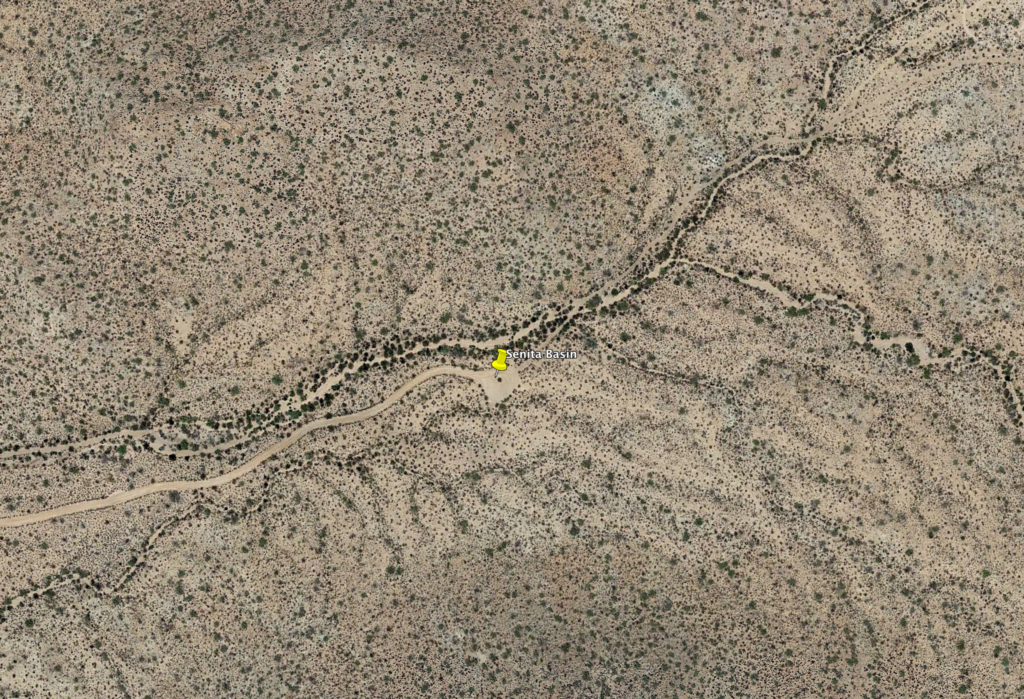
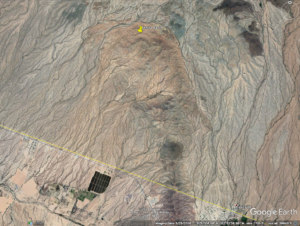
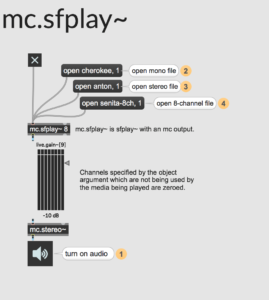
An ambisonic recording made by Dr. Garth Paine at Senita Basin, just 4 miles from the US-Mexico boarder ( 31°57’2.90″N, 112°51’42.09″W) is included in the Cycling74 Max8 software release to showcase the new multichannel audio systems.
As Max8 does not include ambisonic decoders as standard, the file was rendered as an 8 channel horizontal surround file.
Several ambisonic option are available for Max such as the HOA Library, ICST Tools, and a host of excellent plugins such as those by Blue Ripple Sound
It is great that our ongoing work in documenting the acoustic ecologies of these contested lands is finding a new voice on the computers of thousands of people world wide. Just check the mc.sfplay~ help file and click the senita-8ch file
Thanks to Cycling74 for their support of our work. Listen to hundreds of hours of field recordings of the US SW deserts for free online.
Photographs generously provided by Lynne Russell and Dennis Eckel
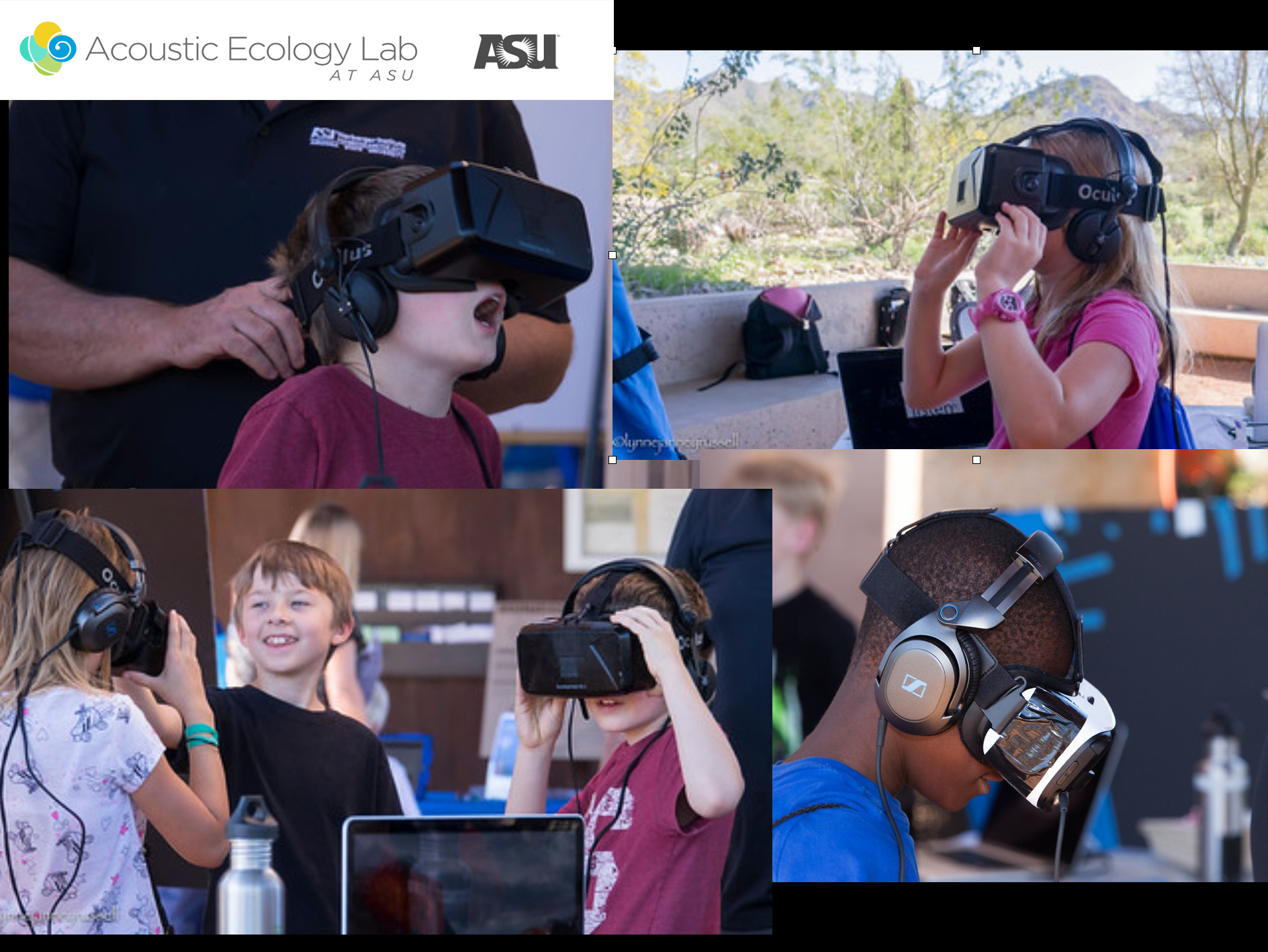
The Acoustic Ecology Lab was selected to present a poster and demonstration session on EcoRift for Health and Wellbeing at the Arizona Wellbeing Commons, hosted at the Tempe Center for the Arts on 6 September 2017. The poster presentation offered attendees of the event an opportunity to experience virtual sojourns in nature sanctuaries in the United States, Mexico and Europe, showcasing ambisonic recording technology and 3-D sound on several VR headsets. The Arizona Wellbeing Commons is a forum for interdisciplinary collaborations between Arizona’s three public universities, health providers and representatives from communities to advance research in preventive care, in the treatment of and recovery from a wide range of diseases.
The Acoustic Ecology Lab partnered with the McDowell Sonoran Conservancy to preset our virtual reality work as part of Junior Citizen Science Festival on March 10, 2017 outdoors at the Lost Dog Wash Trailhead.
The event attracted more than 300 students who engaged with a number of researchers around ecosystems and environmental awareness. Our Ecorift VR system helped share the experience of virtual reality sojourns into the national parks of the SW, USA.
They loved it!! and wanted to go there immediately!
Photographs generously provided by Lynne Russell and Dennis Eckel
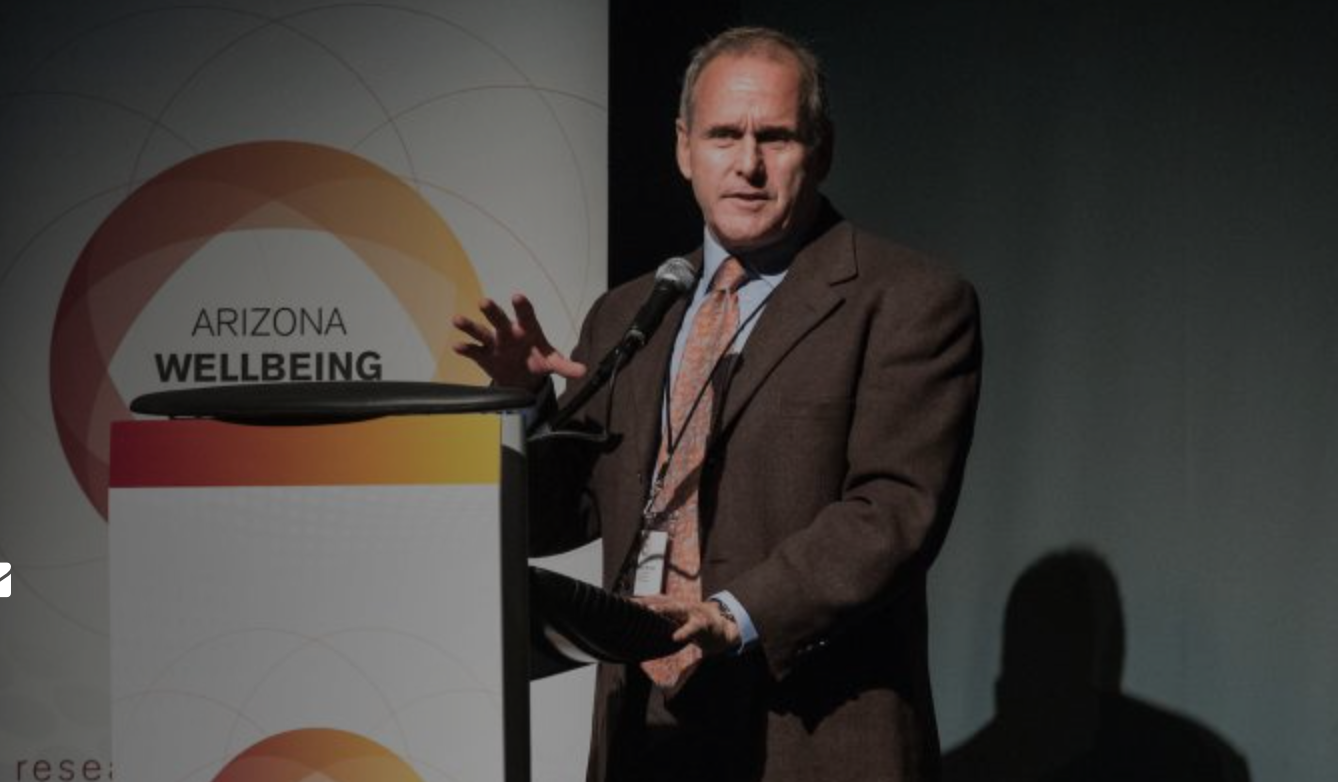
Dr. Garth Paine, of Arizona State University, speaks at SXSW Eco in Austin, TX in 2016. SXSW Eco creates a space for business leaders, investors, innovators and designers to drive economic, environmental and social change.